Trump Names Sean Duffy Acting NASA Chief Amid Policy Shift
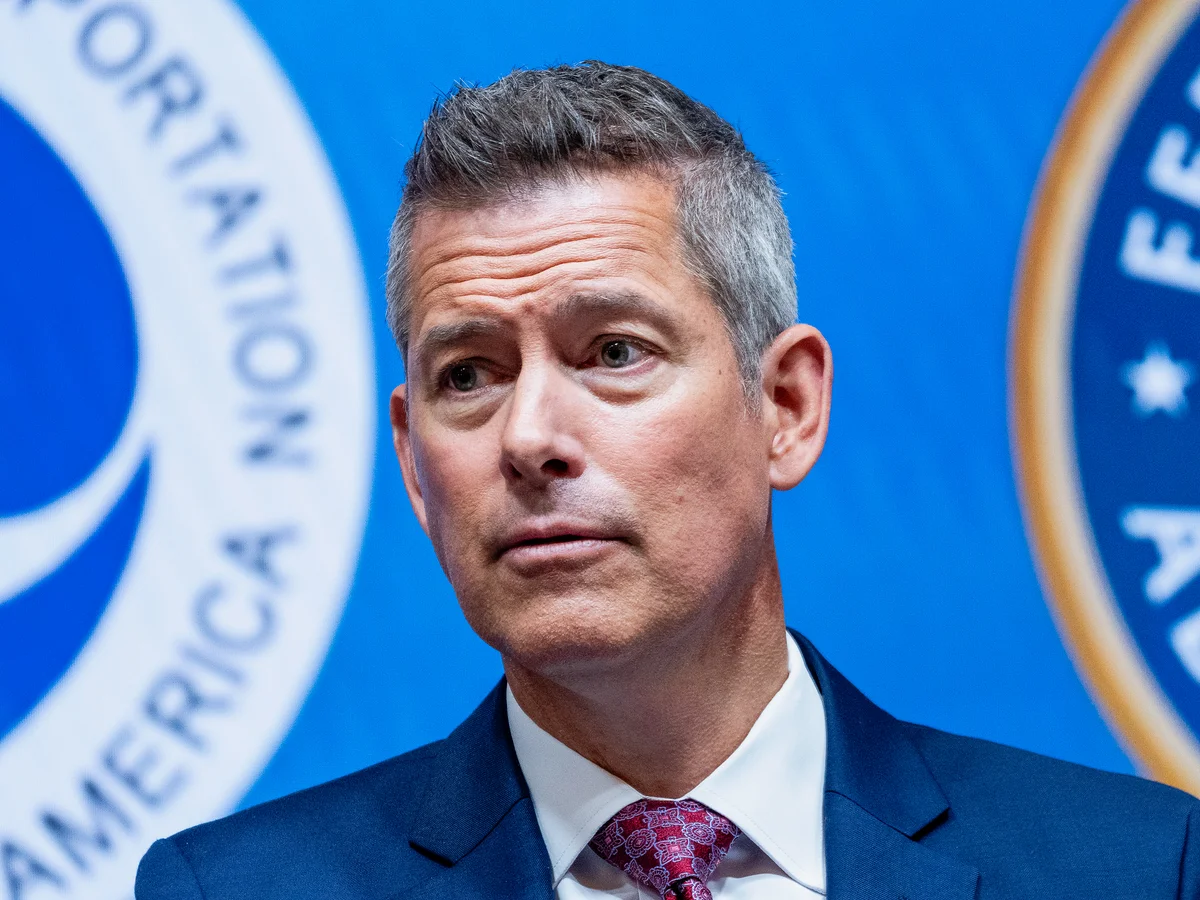
President Trump has named Sean Duffy as the new acting NASA chief, marking a significant policy shift in the agency's direction. The appointment reflects a broader move toward privatization and aligning space exploration efforts with national interests.
In a move that has drawn both praise and skepticism, former U. S. President Donald Trump has appointed Transportation Secretary Sean Duffy as the acting administrator of NASA.
The decision, which comes as part of a broader reshuffling of space leadership in Trump’s political orbit, could signal a shift in U. S. space strategy toward more commercially driven and national-interest-focused initiatives.
Duffy, a former congressman and media personality before joining Trump’s cabinet, lacks a formal science or aerospace background—making the appointment unconventional. However, his political loyalty and executive experience are seen as assets by Trump allies seeking to assert more centralized control over space exploration priorities. A Political Move, Not a Technical One? The appointment follows the sudden resignation of NASA’s previous acting administrator, who departed amid rumors of disagreements over the agency’s trajectory and autonomy.
Trump’s decision to install Duffy appears to be driven more by political alignment than technical expertise. Critics argue that NASA, a science-led agency with complex missions ranging from planetary research to Mars colonization, requires leadership grounded in engineering and astrophysics—not political messaging. "This isn’t just another federal agency.
NASA is responsible for the future of American space dominance," said Dr. Marlene Ito, an aerospace engineer and former NASA advisor. "A politically convenient appointment won’t help us get back to the Moon or stay ahead of China in the new space race.
" Vision for a Trump-Era NASA Though no formal policy document has been released, sources close to Trump suggest that under Duffy’s stewardship, NASA will double down on: - Public-private partnerships with U. S. companies like SpaceX, Blue Origin, and Sierra Space - A renewed focus on lunar missions , particularly the Artemis program - Military-adjacent space infrastructure , including satellite defense and surveillance - Nationalist rhetoric around American space superiorityDuffy has already hinted at a more "results-oriented" approach to NASA programs, potentially signaling reduced tolerance for cost overruns, schedule delays, or international collaborations that don’t serve "America First" interests.
What It Means for NASA’s Workforce and Projects NASA insiders are divided. Some career staffers welcome a decisive hand after years of shifting political mandates, while others worry about morale, scientific independence, and long-term strategic continuity. Ongoing projects—including the Mars Sample Return mission, the Europa Clipper, and long-term space telescopes—may face increased scrutiny.
Meanwhile, flagship initiatives like Artemis could see a budget boost, particularly if tied to national prestige or defense strategy. The Commercial Space Industry Reacts Key players in the commercial space industry have issued cautious support. A spokesperson for SpaceX said, "We look forward to continued collaboration with NASA leadership under Sean Duffy.
" Others are more circumspect, with industry groups urging that scientific integrity and global cooperation not be sacrificed for short-term optics. One private sector executive, speaking on condition of anonymity, noted, "The appointment is unconventional, but if it results in stable funding and faster decision-making, we’ll work with it. " Potential Tensions with International Partners Trump’s previous administration deprioritized NASA’s participation in multilateral efforts like the Paris Climate Agreement and U.
N. space sustainability forums. With Duffy at the helm, international observers worry the U.
S. could once again withdraw from collaborative space science, alienating agencies like ESA, JAXA, and Roscosmos. "Space is inherently global," said Dr.
Yuko Tanaka of Japan’s space agency JAXA. “Unilateralism weakens everyone’s scientific outcomes. ” Conclusion: A NASA at the Crossroads The appointment of Sean Duffy as acting NASA administrator under Trump’s guidance is both a symbolic and strategic maneuver.
It reflects the former president’s belief that loyalty and business-like efficiency should take precedence over traditional scientific pedigree. Whether this gamble pays off will depend on how Duffy manages one of the world’s most complex agencies—balancing political agendas with scientific ambition, commercial momentum, and global cooperation. In the coming months, all eyes will be on NASA—not just for its next launch, but for how it navigates a new political orbit under a leader with terrestrial experience but extraterrestrial responsibilities.
July. 8, 2025